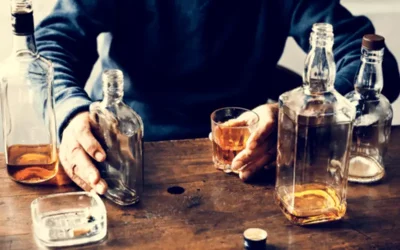
Understanding Alcohol’s Feel-Good Effects
This is how each type of alcohol alters your mood, according to the study. Senior study author Howard Fields said the result suggests a possible way to improve on existing medication. Adrienne Santos-Longhurst is a Canada-based freelance writer and author who has written extensively on all things health and lifestyle for more than a decade. Peeing a lot and not getting enough nonalcoholic fluids can lead to dehydration and make you even more drunk. Ethanol — also referred to as alcohol, ethyl alcohol, or grain alcohol — is the primary ingredient in alcoholic bevvies.
- Substance-induced depression is different from major depressive disorder and, by definition, should improve once a person stops consuming substances (such as alcohol).
- By Sarah Bence, OTR/LBence is an occupational therapist with a range of work experience in mental healthcare settings.
- This includes the development of scar tissue on the brain and the wasting away of brain tissue, which leads to cognitive impairment.
- GABA, the brain’s primary inhibitory neurotransmitter, is also significantly affected by alcohol consumption.
Alcohol Mood Swings, Depression, and Anxiety
If you feel depressed even when you don’t drink, or you drink because you feel benefits of alcohol depressed, it’s best to reach out to a mental health professional. Over time, you may find you can’t get any of those good feelings without drinking alcohol. Your brain becomes dependent on alcohol for certain functions, like releasing dopamine. In all of the subjects, alcohol led to endorphin release, but there were some differences between the control group and the heavy drinkers. Dopamine plays a crucial role in the development of addiction and tolerance to alcohol.
Chemical happiness and the role it plays in our relationships with alcohol
Dehydration, low blood sugar, and various alcohol byproducts can make it difficult to move or think. Dopamine, also known as the “happy hormone,” is one of the most important. It’s significant since it’s a chemical messenger that plays a role in reward, motivation, memory, attention, and even body movement regulation. By incorporating these healthy alternatives into daily life, individuals can work towards achieving more sustainable and genuine happiness without relying on alcohol. It’s important to remember drug addiction that everyone’s path to well-being is unique, and it may take time to discover the most effective strategies for each individual.
- This effect is partly due to alcohol’s ability to reduce inhibitions by dampening activity in the prefrontal cortex, the brain region responsible for impulse control and decision-making.
- Even if you just have three glasses of wine on Friday nights, every week, you are at risk for experiencing this effect.
- While drinking may provide short-term mood elevation, it’s often followed by a period of low mood, anxiety, or depression as the body and brain attempt to restore balance.
‘Good Feelings’ From Alcohol Only Come With Fewer Drinks
However, the effects of alcohol on serotonin levels in the brain are not straightforward. While acute alcohol intake may increase serotonin release, chronic alcohol use can lead to long-term alterations in serotonin function. These changes can potentially disrupt the delicate balance of neurotransmitters in the brain, contributing to mood instability and increased risk of depression. The relationship between serotonin, alcohol, and perceived happiness is intricate. Initially, alcohol consumption can lead to a temporary increase in serotonin levels, contributing to feelings of relaxation and contentment. This boost in serotonin activity may be one reason why some people turn to alcohol as a means of self-medication for mood disorders or stress relief.
Dopamine release is also thought to be one of the mechanisms that drive addiction. The subjects were then each given a drink of alcohol, followed by a second injection of radioactive carfentanil, and scanned again with PET imaging. As the natural endorphins released by drinking were bound to the opioid receptor sites, they https://ecosoberhouse.com/ prevented the carfentanil from being bound. This surge of dopamine creates feelings of pleasure, euphoria, and motivation, contributing to the perceived positive effects of drinking. Alcohol consumption can lead to feelings of depression due to chemical reactions.
Explore healthier coping techniques, such as exercise, mindfulness, and spending time in nature. These activities can help reduce stress levels and promote emotional well-being without relying on alcohol. It’s why alcohol broadly affects the body, including the cardiovascular, gastrointestinal, urinary, reproductive, endocrine and nervous systems. It’s possible, however, that you start craving more of this dopamine ‘reward’, which is caused by many pleasant experiences, including eating nice food, having sex, winning a game and earning money.